Types of keywords in SEO

Types of Keywords in SEO : From Search Intent to Buyer-Ready Queries

In today’s competitive digital landscape, understanding types of keywords in SEO is essential for driving traffic, attracting the right audience, and generating leads. Not all keywords are created equal—some build awareness, others guide decision-making, and a few drive direct purchases.

This comprehensive guide explores SEO keyword classification, from search intent to buyer-ready queries, including long-tail, short-tail, local SEO, and AEO-friendly keywords. By the end, you’ll have a strategy to map the right keywords to your content and boost your rankings, traffic, and conversions.

We will also cover advanced concepts like topic clustering, semantic keywords, search psychology, voice search optimization, and competitor keyword gap analysis to ensure your content dominates search engines and converts effectively.
types of keywords in SEO
Complete Guide for Search Intent & Conversions

What Are Keywords in SEO

Keywords are the terms and phrases users type into search engines to find information, products, or services. They act as the bridge between what people are searching for and the content you offer.

Why keywords matter :

✍ Drive qualified traffic to your website
✍ Help search engines understand your content
✍ Improve rankings and visibility
✍ Enhance user experience by answering search intent

Tip : Focus on intent-driven keywords rather than just high-volume terms for better conversions.

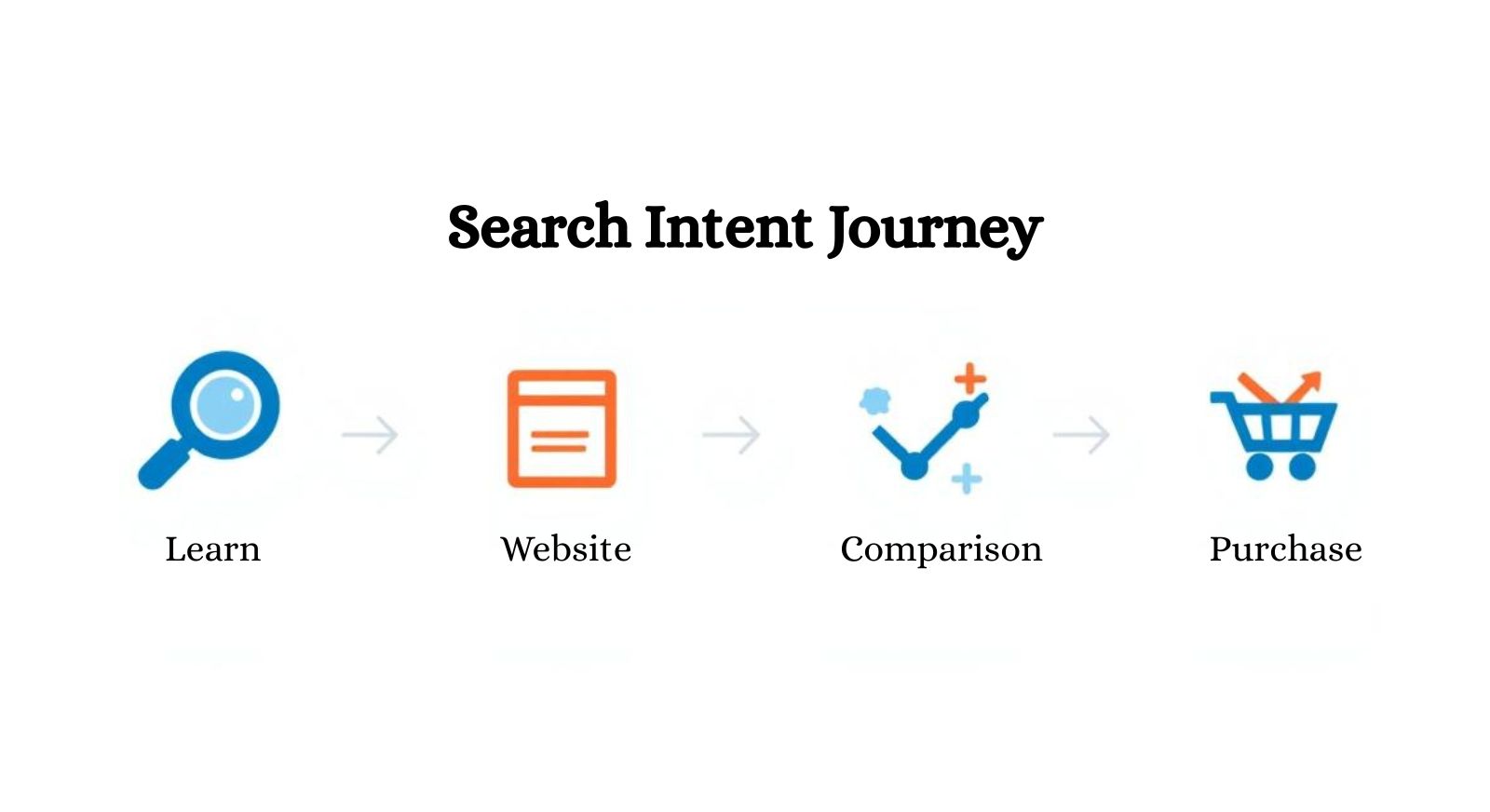
Types of Keywords by Search Intent

Search intent defines the reason behind a user’s search query. Matching content with intent ensures higher engagement and conversion rates.
buyer intent keywords
Types of Keywords by Search Intent

🎯 Informational Keywords

Definition : Users are seeking knowledge or solutions.
Purpose : Top-of-funnel; ideal for educational content and blog posts.

🧠 Examples :
    Types of keywords in SEO
    Keyword types in SEO
    SEO keyword classification

Internal Linking Suggestion : Link to a blog post on “SEO Keyword Research Guide”.
Search Psychology : Users are exploring options, learning, or comparing information; not yet ready to purchase.

🎯 Navigational Keywords

Definition : Users are searching for a specific brand
or website.
Purpose : Ensures your brand appears when users
search directly.

🧠 Examples :
     – DCROPMARK
     – Google Analytics login

Tips : Optimize your brand mentions and structured data for enhanced SERP visibility.

🎯 Commercial Investigation Keywords

Definition : Users are researching products/services to make a decision.
Purpose : Mid-funnel content like comparison guides, reviews, and recommendations.

🧠 Examples :
     – best SEO keywords for business
     – SEMrush vs Ahrefs

Search Psychology : Users are evaluating options, looking for pros and cons, and price/value comparisons.

🎯 Transactional Keywords

Definition : Users ready to take action (purchase, hire,
subscribe).
Purpose : Bottom-of-funnel, high conversion potential.

🧠 Examples :
     – SEO services in Bangladesh
     – hire SEO consultant
     – digital marketing agency Dhaka

Tips : Focus content and CTAs on guiding the user to conversion.

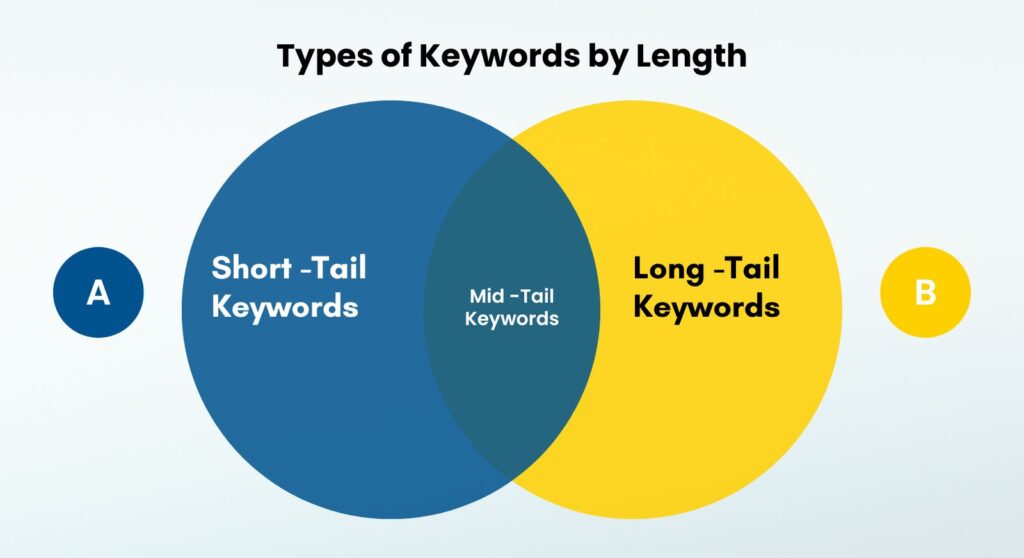
Types of Keywords by Length

Keyword length impacts search volume, competition, and conversion potential.

🎯 Short-Tail Keywords

Definition : Short, broad keywords (1–2 words) that generally cover a large topic.

Characteristics :
✍ High search volume
✍ High competition
✍ Low conversion rate on their own (more top-of-funnel awareness)

🧠 Examples :
        – SEO
        – Digital marketing
        – Social media

Search Data : According to SEMrush, short-tail keywords can account for 60–70% of total search volume, but only 10–15% convert without supporting long-tail terms.

Tips : Best for brand awareness and blog introduction topics. Pair with long-tail keywords for higher conversion potential.
long-tail vs short-tail keywords
Types of Keywords by Length

🎯 Mid-Tail Keywords

Definition : Keywords with 2–3 words that are more specific than short-tail but broader than long-tail.

Characteristics :
✍ Balanced search volume
✍ Moderate competition
✍ Higher conversion potential than short-tail


🧠 Examples :
      SEO services
      Online marketing
      Social media marketing

Search Data : Mid-tail keywords often drive 30–50% of qualified traffic, with conversion rates around 20–25%. They are ideal for blog posts, category pages, and product/service descriptions.

Tips : Great for content targeting mid-funnel users who are evaluating options but aren’t ready to purchase yet.
🎯 Long-Tail Keywords

Definition : Keywords with 3+ words, highly specific to user intent.

Characteristics :
✍ Lower search volume individually
✍ Low competition
✍ High conversion rate (often bottom-of-funnel queries)

🧠 Examples :
      types of keywords in SEO for small businesses
      best SEO tools for e-commerce websites
      affordable digital marketing agency in Dhaka

Search Psychology : Long-tail keywords attract ready-to-convert audiences. Users searching these terms often know what they want and are closer to taking action.

Search Data : Studies show long-tail keywords account for 70–80% of all conversions because they match specific search intent.

Tips : Use for landing pages, service pages, and blog posts targeting high-intent traffic. Combining multiple long-tail keywords can create topic clusters that improve overall SEO authority.

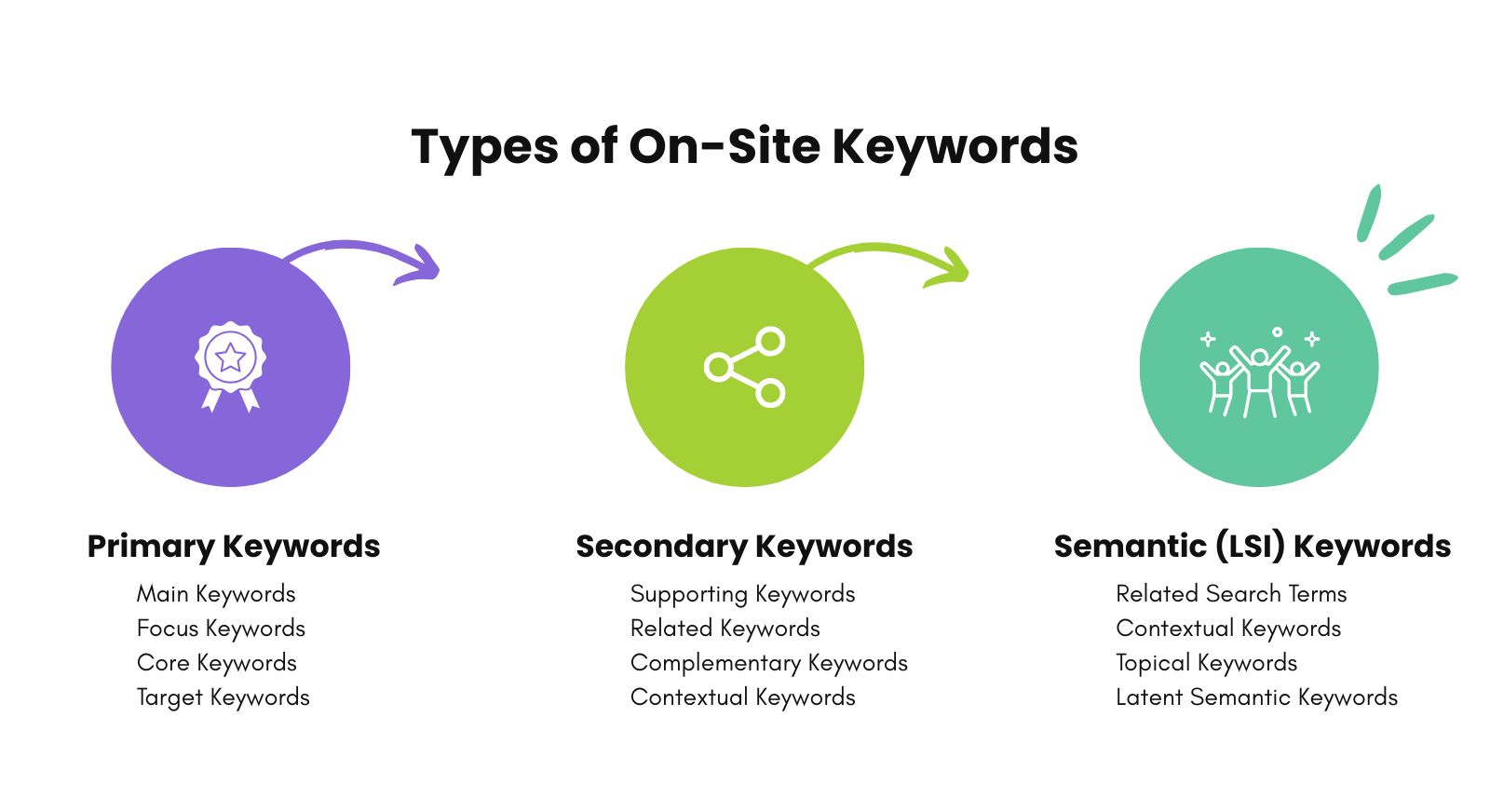
On-Site Keywords

On-site keywords are the keywords strategically placed on your website pages to enhance relevance, improve search engine rankings, and target specific user intent. Proper use of on-site keywords helps Google understand the topic of your page and improves both traffic and conversions.
SEO keyword classification
Types of On-Site Keywords

🎯 Primary Keywords

Definition : The main focus of a page; the keyword that represents the core topic.

🧠 Examples :
      types of keywords in SEO
     SEO keyword types
     keyword types in SEO

Data Insight : According to Ahrefs, pages that focus on a clear primary keyword have a 60–70% higher chance of ranking in the top 10 for that query.

Tip : Place your primary keyword in :
   📌 Page title
   📌 H1 heading
   📌 First 100 words of the content
   📌 URL and meta description

🎯 Secondary Keywords

Definition : Variations or supporting keywords that reinforce the primary keyword and provide context.

🧠 Examples (Supporting Keywords) :
      SEO keyword classification
      long-tail vs short-tail keywords
      SEO keyword strategy

Data Insight : Using 2–5 secondary keywords per page can improve LSI relevance, which increases the probability of appearing in Google’s top 10 by 25–30%.

Tip : Integrate secondary keywords naturally into :
    📌 Subheadings (H2/H3)
    📌 Bullet points or lists
    📌 Image alt texts

🎯 Semantic (LSI) Keywords

Definition : Keywords related to your topic that help Google understand context and meaning. These are sometimes called latent semantic indexing (LSI) keywords.

🧠 Examples :
      buyer intent keywords
      transactional keywords SEO
      long-tail SEO keywords

Data Insight : Pages that effectively use LSI keywords tend to rank higher for multiple related search terms, capturing 10–15% more organic traffic on average.

Tip : Sprinkle semantic keywords in :
    📌 Paragraphs
    📌 FAQs
    📌 Internal links to related content

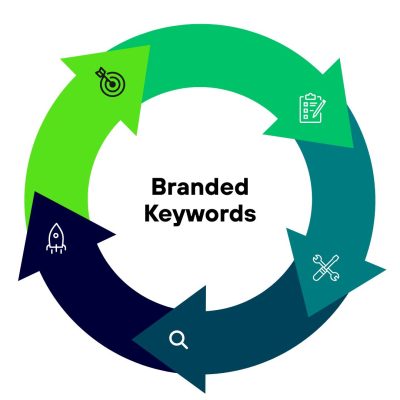
🎯 Branded Keywords

Definition : Company or product-specific phrases that reinforce brand authority and help users identify your services.

🧠 Examples :
      DCROPMARK digital marketing services
      DCROPMARK SEO consultancy
      DCROPMARK Bangladesh Ecommerce SEO agency

Data Insight : Branded keywords improve click-through rates by 20–30% as users tend to click on recognized names in search results.

Tip : Use branded keywords in :
    📌 Service pages
    📌 Footer links
    📌 About page and company blog posts
On-Site Keywords (Branded Keywords)
types of keywords in SEO

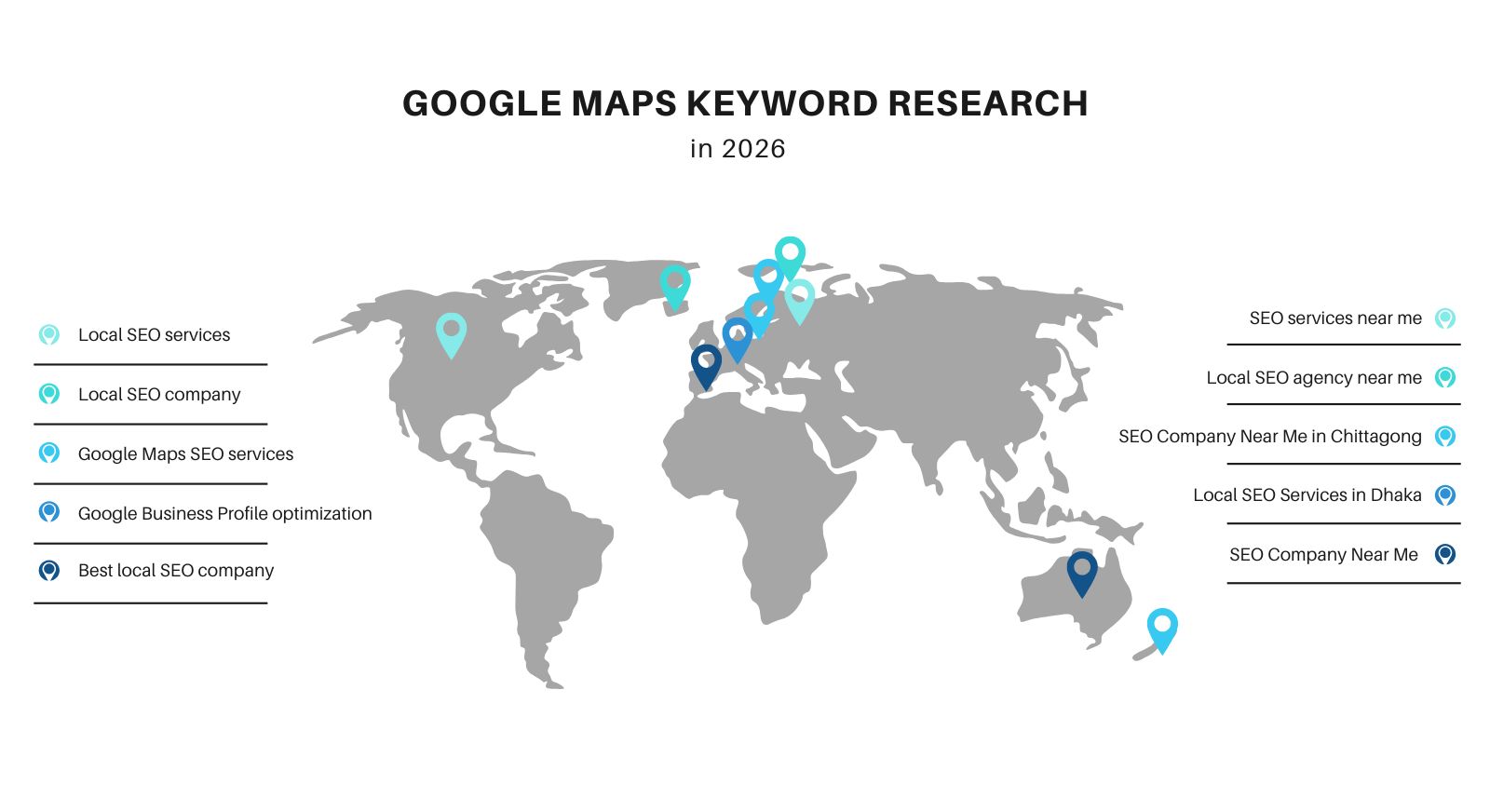
🎯 Local SEO Keywords

Targeting local queries increases geo-specific traffic and map pack rankings.

🧠 Examples :
      digital marketing agency Dhaka
      SEO consultant near me
      SEO services Bangladesh

Tips :
      Include city, area, or nearby towns in content and meta tags
      Optimize your Google Business Profile
      Implement local business schema

External Linking Suggestion : Link to Google Maps or directories like Clutch.co.
Internal Linking : Link local services pages to relevant blog content for better topical authority.

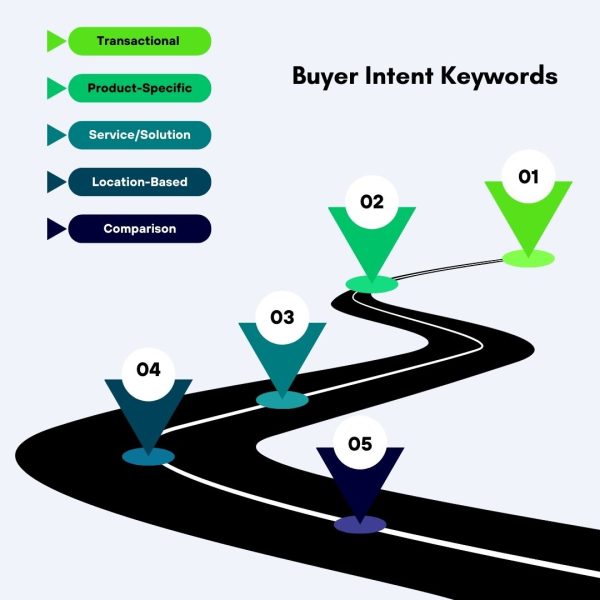
🎯 Buyer-Intent Keywords

These keywords attract users ready to convert.
High-Intent Examples :
      hire SEO consultant Bangladesh
      SEO services pricing Bangladesh

Product-Specific :
      best SEO tools for small businesses

Comparison Keywords :
      digital marketing agency vs SEO agency

Local Buyer Keywords :
      SEO agency near me
      digital marketing company Dhaka

Internal Linking : Link to pricing pages, contact forms, and consultation booking pages to capture leads.

Search Psychology : Users have done their research and are ready to take action, making this the most valuable keyword type for ROI.
What Are Buyer-Intent Keywords
SEO keyword classification

🎯 AEO & Question-Based Keywords

AEO (Answer Engine Optimization) improves visibility in voice search, People Also Ask, and featured snippets.

🧠 Examples :
      How many types of keywords are there in SEO ?
      What are buyer intent keywords ?
      Which keywords convert best in SEO ?
      How to find keywords for my business ?
      What is local SEO keyword strategy ?
Tips :
📌 Use clear, concise answers for featured snippets
📌 Integrate long-tail and question-based keywords naturally
📌 Structure FAQs with H2/H3 headings for SERP enhancement

Internal Linking Suggestion : Link to related blog posts such as “SEO Keyword Research Guide” and “Local SEO Strategy”.

Keyword Strategy & Topic Clustering

Topic Cluster Table

Topic Cluster Main Keyword Supporting Keywords
SEO Education types of keywords in SEO keyword types in SEO,
SEO keyword classification,
long-tail vs short-tail keywords
Buyer Keywords buyer intent keywords transactional keywords SEO,
best SEO keywords for business,
SEO services pricing Bangladesh
Local SEO SEO services Bangladesh digital marketing agency Dhaka,
SEO consultant near me,
local SEO keywords
AEO how many types of keywords are there in SEO what are buyer intent keywords,
how to find keywords for my business,
which keywords convert best in SEO
Strategy Notes :
✍ Main page targets high-volume core keyword
✍ Supporting pages target long-tail, local, and question-based keywords
✍Internal links strengthen topic authority and user navigation

Additional Strategy : Use content clusters to improve E-E-A-T – (Expertise, Experience, Authoritativeness, and Trustworthiness) and increase domain relevance for search engines

Avoid These Keyword Research Mistakes in SEO

Many SEO beginners make errors when using types of keywords in SEO. Common mistakes include :
      1. Ignoring keyword types in SEO like short-tail vs long-tail keywords and buyer intent keywords.
      2. Skipping SEO keyword classification by search intent.
      3. Focusing only on search volume, not relevance.
      4. Not updating keywords regularly.

Understanding and applying proper keyword types ensures better rankings, targeted traffic, and higher conversions.

Boost Your Business with DCROPMARK SEO Services

2026 is the year keyword research in SEO separates winners from losers. By combining thorough keyword research, on-page SEO, content strategy, and user-focused design, you can :
      🧠 Rank higher in search results
      🧠 Target the right audience with the right keywords
      🧠 Drive qualified traffic and increase conversions

Contact DCROPMARK for expert SEO keyword research services and start dominating your niche today!
Faq

Freequently Ask Questions

Keywords can be categorized by search intent (informational, transactional, buyer intent) or length (short-tail vs long-tail). Knowing the types helps structure content and improve rankings.
Short-tail keywords are broad, high-volume terms, while long-tail keywords are longer, specific phrases with higher conversion potential. Both serve different SEO goals.
Buyer intent keywords reveal what users want—whether to learn, compare, or purchase. Targeting them ensures content aligns with user needs and boosts conversions.
Classifying keywords by type, intent, and specificity allows you to plan content for different stages of the search journey and attract qualified traffic.
A balanced approach works best: long-tail keywords drive targeted traffic and conversions, while short-tail keywords increase visibility and brand awareness.
FAQ
Back to top